
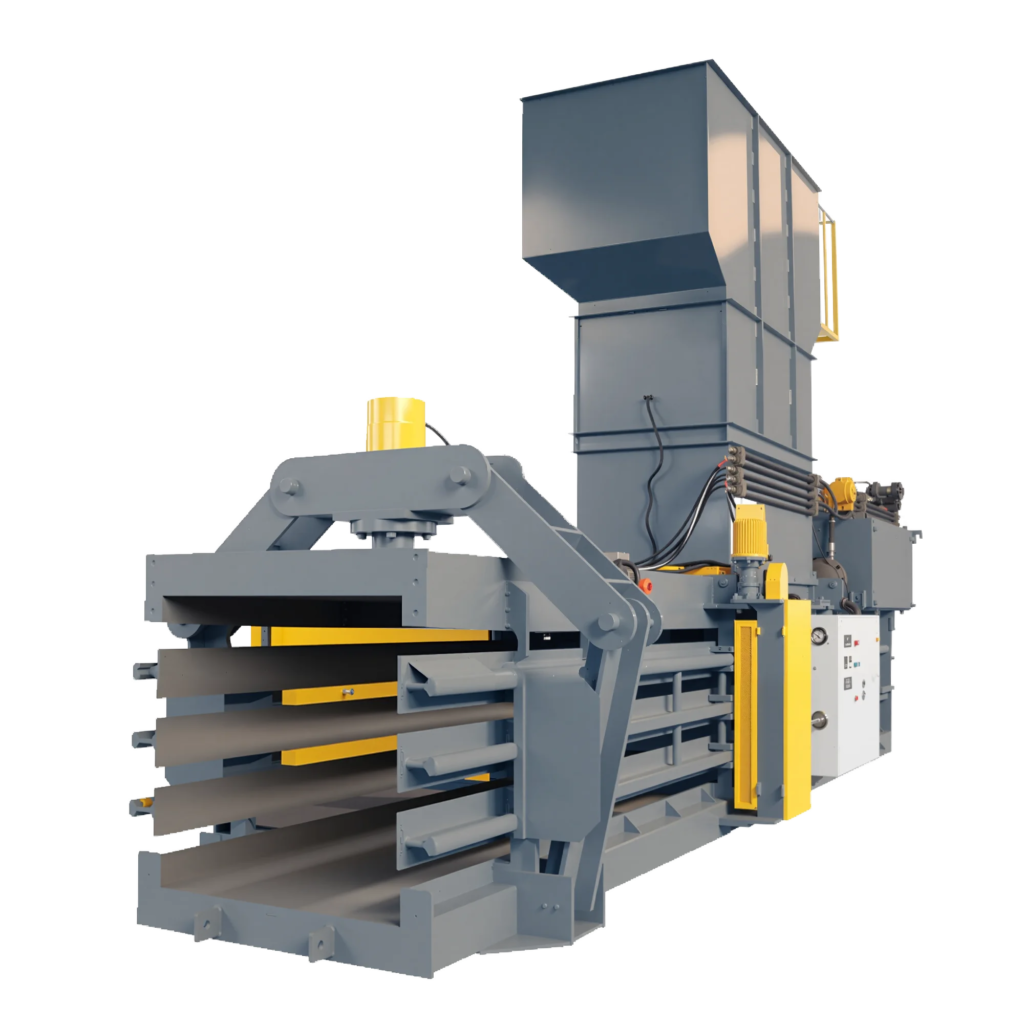
A hydraulic fully automatic horizontal baler is an ideal solution for businesses looking to reduce labor costs, eliminate time-consuming manual baling, and improve waste handling efficiency. By automating the compression and tying processes, this machine helps streamline recycling operations, increase productivity, and optimize the storage and transportation of recyclable materials.
For recycling plants, warehouses, packaging manufacturers, and waste management companies, handling large volumes of recyclable materials can be challenging. Loose cardboard, waste paper, plastic packaging, and other materials take up valuable space and require considerable effort to collect, store, and transport.
By automating key baling operations, a fully automatic horizontal baler provides a more efficient solution for businesses looking to optimize their waste management processes. Let’s explore how this machine works, its main advantages, and how to choose the right model for your application.
What Is a Hydraulic Fully Automatic Horizontal Baler?
A hydraulic fully automatic horizontal baler is an industrial machine designed to compress recyclable materials into compact, uniform bales using hydraulic pressure.
Unlike traditional equipment that requires frequent manual intervention, a fully automatic horizontal baler can automate the main stages of the baling process, including compression, bale formation, and tying, depending on the machine configuration.
Materials are fed into the compression chamber, where a hydraulic ram applies pressure to reduce their volume. Once the required bale length is reached, the machine completes the configured tying cycle and discharges the finished bale.
The horizontal design is particularly suitable for processing large quantities of recyclable materials. When integrated with a conveyor or other feeding equipment, the baler can operate as part of a continuous waste processing line.
For businesses seeking higher productivity and more efficient material handling, this equipment offers a practical alternative to labor-intensive baling methods.
How a Fully Automatic Horizontal Baler Improves Work Efficiency
-
Reduces Manual Labor
One of the biggest advantages of a hydraulic fully automatic horizontal baler is its ability to reduce repetitive manual tasks.
With a suitable automated configuration, operators do not need to manually complete every stage of the baling cycle. Instead, they can monitor machine performance, supervise material feeding, and perform routine inspections.
This helps businesses improve labor allocation, reduce manual handling, and establish a more standardized workflow.
The actual labor savings depend on the original production process, the level of automation, and the number of operators required before installation.
-
Increases Processing Capacity
When waste volumes increase, manual baling methods may struggle to keep up with daily production requirements.
A fully automatic horizontal baler is designed for repeated, automated compression cycles and high-volume material processing. When paired with an appropriate feeding system, it can reduce interruptions between cycles and help maintain a more consistent workflow.
This makes it suitable for recycling facilities, paper mills, packaging manufacturers, and distribution centers that handle substantial quantities of recyclable waste.
When selecting a machine, businesses should compare the rated capacity with their actual material throughput to ensure the equipment meets their production needs.
-
Produces Compact and Uniform Bales
Hydraulic compression reduces the volume of loose materials, making finished bales easier to stack, store, and transport.
Compact bales can help businesses make better use of warehouse space and simplify the handling of recyclable materials. Consistent bale dimensions also support more organized storage and loading operations.
For waste paper, cardboard, and suitable plastic packaging, this can improve the efficiency of the entire recycling process.
Final bale density and size depend on material characteristics, moisture content, compression force, chamber dimensions, and machine settings.
-
Streamlines the Entire Workflow
A fully automatic horizontal baler can be integrated into a complete waste processing line.
For example, a recycling facility can use a conveyor to deliver cardboard to the baler. The machine compresses the material, completes the configured tying process, and discharges the finished bales for collection.
This reduces unnecessary material handling between processing stages and helps operators manage waste more efficiently.
For facilities with high daily waste volumes, an integrated system can make production planning and material flow easier to manage.
-
Helps Lower Operating Costs
Although a fully automatic horizontal baler generally requires a higher initial investment than a basic manual or semi-automatic machine, it can offer long-term operational benefits.
Potential savings include reduced labor requirements, improved space utilization, more efficient material handling, and lower costs associated with storing and transporting loose waste.
Businesses should also consider electricity consumption, maintenance, consumables, installation, and training when calculating the total cost of ownership.
The best solution is one that balances the initial investment with expected productivity improvements and long-term operating costs.
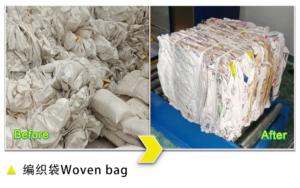
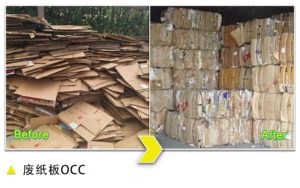
What Materials Can a Hydraulic Fully Automatic Horizontal Baler Handle?
A hydraulic fully automatic horizontal baler can process various recyclable materials, depending on the machine’s design and configuration.
-
Waste Paper and Cardboard
Supermarkets, warehouses, printing companies, and packaging manufacturers generate large quantities of cardboard boxes and waste paper.
A horizontal baler compresses these materials into compact bales, helping reduce storage requirements and preparing them for recycling or transportation.
-
Plastic Film and Packaging Waste
Suitable plastic film, packaging materials, and other compatible plastics can be compressed to simplify storage and handling.
The appropriate feeding system and compression configuration should be selected according to the material’s characteristics and expected output.
-
PET Bottles and Plastic Containers
Recycling facilities can use suitable horizontal balers to compact PET bottles and other compatible plastic containers.
Depending on the application, additional sorting or preprocessing may be necessary to achieve the desired bale quality.
-
Textiles and Other Recyclable Materials
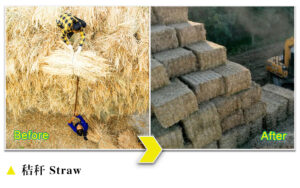
Certain textile waste, fibers, and lightweight industrial materials can also be baled when the machine is designed for the application.
Before purchasing equipment, confirm the material type, bulk density, moisture content, and required bale specifications with the manufacturer.
How to Choose the Right Hydraulic Fully Automatic Horizontal Baler
Selecting the right machine is essential for achieving reliable performance and a reasonable return on investment.
-
Determine Your Required Capacity
Estimate how much material your business needs to process per hour or per day. Consider current production volumes and potential future growth.
Ask the manufacturer to clarify the rated throughput and the operating conditions required to achieve it.
-
Identify Your Material Type
Different materials have different compression characteristics. Cardboard, plastic film, PET bottles, and textiles may require different configurations.
Providing photos, videos, or material samples can help the supplier recommend a suitable model.
-
Confirm Bale Size and Weight
Consider the required bale dimensions and weight based on your storage arrangements, transportation methods, and recycling customers’ requirements.
If the finished bales must fit specific containers or meet particular handling standards, communicate these requirements before ordering.
-
Evaluate Automation Requirements
Determine whether your facility needs conveyor feeding, automatic tying, automatic bale discharge, or other auxiliary equipment.
The right combination of machinery can improve workflow efficiency while avoiding unnecessary investment in features your operation does not require.
-
Consider Installation and Maintenance
Check the machine’s power supply, installation dimensions, maintenance requirements, and access for servicing.
Reliable technical support and the availability of replacement parts are also important factors in maintaining long-term operating efficiency.
Why Choose GIGAPA for Your Baling Equipment?
GIGAPA specializes in industrial machinery for waste processing, recycling, and resource recovery. With more than 10 years of industry experience across its team, GIGAPA provides equipment solutions for businesses with different material handling and production requirements.
Our product range includes vertical balers, horizontal balers, fully automatic horizontal balers, metal balers, and other hydraulic equipment.
We understand that different businesses face different challenges. A cardboard recycling facility may require a different configuration from a manufacturer processing plastic packaging or a recycling plant handling mixed materials.
GIGAPA can help customers evaluate their material types, required processing capacity, bale dimensions, and automation needs to identify a suitable baling solution.
Whether you are upgrading an existing production line or establishing a new recycling facility, choosing the right equipment is an important step toward improving operational efficiency.
Conclusion
Manual baling can become a major limitation when waste volumes increase and labor costs rise. A hydraulic fully automatic horizontal baler offers a more streamlined approach by automating key baling operations, reducing repetitive manual work, and producing compact bales for easier storage and transportation.
For recycling plants, warehouses, and manufacturing facilities handling large quantities of recyclable materials, the right horizontal baler can improve workflow efficiency and support long-term operational goals.
The key is to select a machine that matches your materials, processing capacity, bale specifications, and available installation space.