
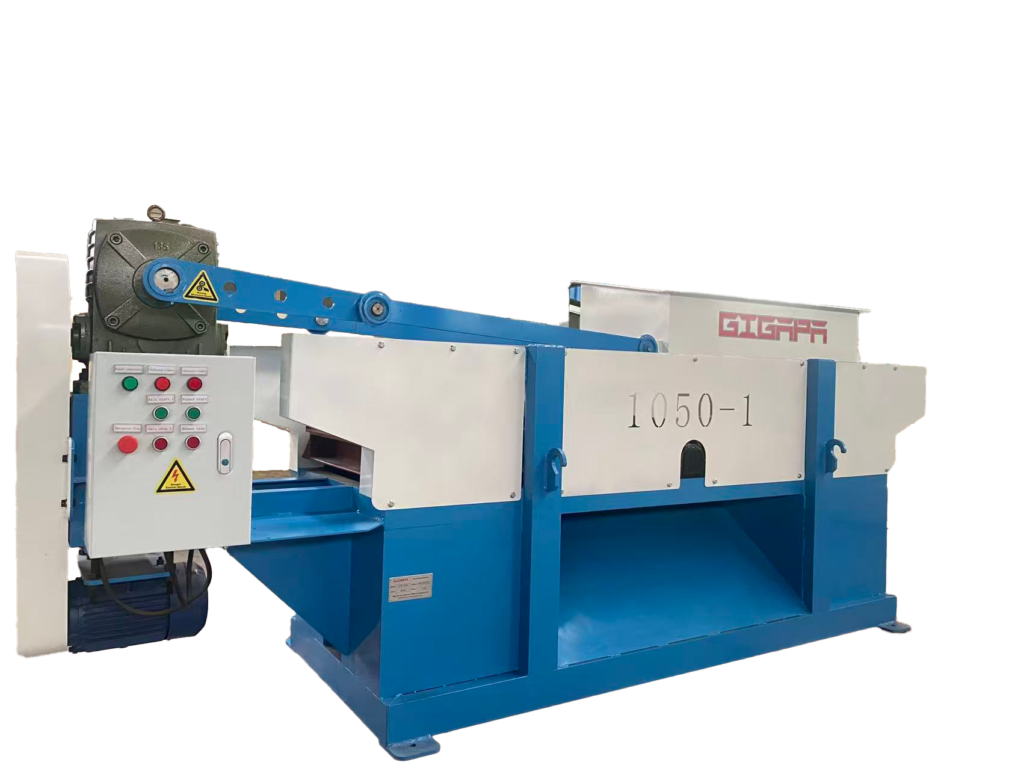
A wood shaving machine is an essential piece of equipment for animal farms looking to produce high-quality bedding materials efficiently and cost-effectively. By turning suitable wood materials into soft, absorbent shavings, farmers can improve animal comfort, maintain cleaner housing environments, reduce bedding procurement costs, and streamline daily farm operations.
From dairy farms and poultry houses to horse stables and pig farms, wood shavings are widely used as absorbent bedding materials. Instead of purchasing ready-made bedding from external suppliers, farms can process suitable wood materials into shavings on-site. This approach offers greater control over bedding quality, supply, and production costs.
In this article, we explore why a wood shaving machine is a valuable investment for modern animal farms and how the right equipment can support more efficient and sustainable farming operations.
The Importance of Quality Bedding in Animal Farming
Animal bedding plays a vital role in maintaining a clean, comfortable, and hygienic living environment. The right bedding material helps absorb moisture, reduce direct contact with hard floors, and improve overall livestock management.
Wood shavings are popular because they are lightweight, relatively easy to handle, and capable of absorbing moisture when properly produced and stored. Their soft texture can also provide a more comfortable surface for many farm animals.
Different animals have different bedding requirements. Horses often need soft, low-dust shavings for their stalls, while poultry farms require bedding that helps manage moisture and maintain suitable litter conditions. Dairy and pig farms may also use wood shavings in selected housing areas.
However, consistently obtaining suitable bedding can be challenging when farms rely entirely on external suppliers. A wood-shaving machine offers a practical way to produce bedding materials according to the farm’s specific needs.
What Is a Wood Shaving Machine?
A wood shaving machine is industrial equipment designed to process suitable wood materials into thin shavings. Depending on the machine design and the input material, it can process wood blocks, branches, offcuts, and other appropriate wood materials into shavings of a suitable size and thickness.
The finished material can be used for animal bedding, packaging, and other applications that require wood shavings.
For animal farms, the primary goal is to produce consistent, clean, and appropriately sized shavings that meet the needs of the animals and the farm’s bedding management system.
When choosing a machine, buyers should consider the type and dimensions of the raw materials, required output, shaving specifications, available power supply, and the intended application. Some materials may require preliminary cutting or preparation before entering the machine.
Why Every Animal Farm Should Consider a Wood Shaving Machine
-
Reduce Bedding Procurement Costs
Purchasing ready-made wood shavings can create a significant recurring expense, particularly for farms with large numbers of animals or frequent bedding replacement requirements.
A wood shaving machine allows farms to process suitable wood materials into bedding instead of relying exclusively on finished products. Where affordable raw materials are available locally, on-site production may help reduce transportation costs, supplier markups, and long-term bedding expenses.
For example, farms located near sawmills or woodworking facilities may be able to obtain suitable wood offcuts or other clean wood residues. By turning these materials into usable shavings, farmers can make better use of available resources.
Actual savings depend on raw material prices, electricity consumption, labor, machine maintenance, and production efficiency. Therefore, farms should compare the total cost of in-house production with the delivered cost of purchased bedding before making an investment.
-
Ensure a More Reliable Bedding Supply
A reliable bedding supply is essential for maintaining normal farm operations. Delayed deliveries or sudden price increases can create difficulties when bedding needs to be replaced regularly.
With an on-site wood shaving machine, farms gain greater control over their production schedules. They can produce shavings according to current demand, maintain an appropriate stock of finished material, and reduce their dependence on outside suppliers.
This is particularly useful for large livestock operations, commercial poultry farms, and horse boarding facilities that consume bedding continuously.
However, consistent production also requires a dependable supply of suitable raw materials, proper storage, and a machine with sufficient capacity.
-
Improve Animal Comfort and Housing Conditions
Comfortable bedding provides a suitable resting surface and helps separate animals from hard flooring. Properly managed bedding can also support moisture control and routine cleaning.
A wood shaving machine enables farms to adjust their production process to obtain shavings appropriate for their animals and housing systems. For example, a horse stable may prioritize soft shavings with controlled dust levels, while another operation may focus on absorbency and ease of handling.
Machine selection alone does not guarantee bedding quality. The characteristics of the raw wood, processing conditions, storage environment, and subsequent bedding management all influence the final result.
Farmers should also select suitable, untreated wood and avoid contaminated materials or wood that may contain harmful coatings, preservatives, or chemical residues.
-
Make Better Use of Wood Waste
Sustainability is becoming increasingly important in modern agriculture. At the same time, sawmills, furniture manufacturers, and woodworking businesses generate wood residues that may still have practical value.
A wood shaving machine can help convert suitable wood materials into useful bedding products rather than allowing them to go unused.
This creates opportunities for farms to work with local wood processors and develop a more resource-efficient supply chain. Some farms may even establish a small bedding production operation that supplies nearby livestock businesses.
Nevertheless, not all wood waste is suitable for animal bedding. Painted, treated, contaminated, or otherwise unsuitable wood should not be processed for this purpose. Material suitability must always take priority over waste reduction.
-
Reduce Dependence on Manual Processing
Producing wood shavings manually can be time-consuming and difficult to scale. For farms with substantial bedding requirements, manual preparation may consume labor that could be used for animal care and other essential tasks.
An industrial wood shaving machine can mechanize the shaving process and improve production efficiency. Depending on the model, raw material preparation, feeding, collection, and conveying may also be integrated into the production workflow.
Automation and machine capacity vary by configuration, so farms should evaluate how much manual intervention is required before purchasing equipment.
By selecting a machine that matches their daily requirements, farmers can establish a more organized bedding production process and reduce repetitive manual work.
Which Animal Farms Can Benefit from a Wood Shaving Machine?
Wood shaving equipment can serve different types of livestock operations, although the required output and bedding specifications vary.
Horse stables and equestrian centers: Horses need suitable stall bedding that provides comfort and can be maintained hygienically. Consistent shavings production can help stables manage regular bedding replacement.
Dairy farms: Certain dairy housing systems use wood shavings to provide cushioning and support bedding management. Farms should select suitable materials and follow appropriate hygiene practices to help manage moisture and bacterial risks.
Poultry farms: Wood shavings may be used as litter material in poultry houses. Particle characteristics, moisture management, and dust control are important considerations when selecting bedding.
Pig farms: Suitable wood shavings can be used in some pig housing systems, depending on the production stage, housing design, and farm management practices.
Small livestock farms: Smaller farms may benefit from compact equipment when they have access to suitable wood materials and sufficient ongoing bedding demand.
Before investing, each farm should determine its daily or weekly bedding consumption and identify the specifications required for its animals.
How to Choose the Right Wood Shaving Machine
Selecting the right machine is essential for achieving stable production and a reasonable return on investment. Several factors should be evaluated before making a purchase.
-
Production Capacity
Estimate how many kilograms or cubic meters of wood shavings your farm needs each day. Choose equipment with an appropriate output capacity rather than focusing only on the largest available model.
A machine that is too small may struggle to meet demand, while oversized equipment can increase unnecessary capital and operating costs.
-
Raw Material Compatibility
Identify the type, size, moisture condition, and shape of the wood materials you plan to process. Not every machine can handle every type of input material.
If you intend to process branches, irregular offcuts, or larger wood pieces, confirm whether preliminary cutting or additional equipment is required.
-
Shaving Size and Quality
The size, thickness, texture, and dust content of the finished shavings influence their suitability for different animals.
Discuss your desired output specifications with the equipment supplier and ask whether the machine can produce material suitable for your application. Where possible, request sample shavings or a processing demonstration using representative raw materials.
-
Power Consumption and Operating Costs
Review the motor power, expected electricity consumption, maintenance requirements, blade replacement costs, and labor needs.
The purchase price is only one part of the total investment. A practical comparison should include the full cost of producing bedding over the machine’s expected service life.
-
Installation and After-Sales Support
Check the installation requirements, available floor space, electrical supply, operator training, spare parts availability, and technical support offered by the supplier.
For international buyers, it is also useful to confirm shipping arrangements, delivery schedules, machine documentation, and the availability of remote technical assistance.
Is a Wood Shaving Machine a Worthwhile Investment?
The return on investment depends mainly on bedding consumption, local raw material availability, and the difference between purchased bedding costs and in-house production costs.
Farms that consume large quantities of wood shavings and have access to low-cost, suitable wood materials may find on-site production particularly attractive. Smaller farms should calculate whether the expected savings justify the equipment investment.
A simple assessment should compare the following costs:
- Initial machine purchase and installation.
- Raw material procurement and transportation.
- Electricity and labor.
- Blade replacement and routine maintenance.
- Storage, handling, and waste management.
These expenses should then be compared with the annual cost of purchasing ready-made bedding.
By evaluating actual operating data instead of relying on general savings estimates, farm owners can make a more informed purchasing decision.
Conclusion
A wood shaving machine can be a valuable investment for animal farms seeking to improve bedding supply management, reduce dependence on purchased shavings, and make productive use of suitable wood materials.
By considering production capacity, raw material compatibility, output quality, operating costs, and after-sales support, farm owners can choose equipment that fits their specific needs.
For farms with consistent bedding demand and access to suitable wood resources, on-site wood shaving production offers a practical opportunity to improve operational efficiency and build a more reliable bedding supply system.